Showing posts with label Italian recipe. Show all posts

Monday, November 17, 2014

Dry Mushroom Risotto with Kyoto-style Shallow Donabe

Kyoto-style shallow donabe makes perfect risotto

Ever since I returned from Italy, I've been crazy about donabe risotto!

The shallow classic-style donabe, "Kyoto Ame-yu", is perfect for making risotto, as the shallow body can cook the rice more effectively and evenly during simmering. It makes the great presentation and also the rice stays in the right texture for a long time after the heat is turned off.

I got really nice dry morel mushrooms and black trumpet mushrooms from Sonoma, so I made dry mushroom risotto by using both kinds of mushrooms.

 photo IMG_6666_zps66f387c3.jpg  photo IMG_6689_zps4814e4b7.jpg
As soon as the rice is al dente, I add the butter and Parmesan cheese to finish. The risotto becomes nicely rich and creamy.

 photo IMG_6697_zps570e434c.jpg
Oh, and this risotto is made from Japanese short grain rice! It makes really delicious risotto with the great texture. I'm so addicted to donabe risotto.

And, yes, you can find the recipe in toiro kitchen's website. So, please check it out.

Happy donabe life.

Monday, June 23, 2014

Donabe Meat Sauce with Preserved Lemon


Another donabe dish with my "moshio" preserved lemon.
This time, I made the meat sauce to enjoy with spaghetti. I always loved my mom's spaghetti meat sauce when I was a child, and this variation I made still reminds me of it. The preserved lemon adds the fantastic depth and hint of lemony touch to the dish.

The process is pretty very similar to my last dish of chicken in preserved lemon tomato sauce. The main differences in ingredients is it's ground beef, and good amount of red wine is used.

If you can't get preserved lemon (whether homemade or store-purchased), you can make it without and simply adjust the seasoning with a little more salt.

 photo IMG_3085_zps66721371.jpg  photo IMG_3077_zpsd0f80465.jpg
Of course, I made this dish with fantastic soup & stew donabe, "Miso-shiru" Nabe. I just love this dish so much.


Tomato Meat Sauce with Preserved Lemon for Spaghetti
(for large-size soup & stew doanbe, "Miso-shiru Nabe")

Ingredients: 3 - 4 servings

1 tablespoons olive oil
1 medium-small onion, minced
1/2 tablespoon fennel seeds, optional
1 clove garlic, thinly-sliced
1/2 medium carrot, cut into small dice
8 oz (240 g) white mushrooms, thinly-sliced
1 pound (450 g) ground beef
1 3/4 cups (400 ml) crushed tomato (or tomato sauce)
1/2 cup (120 ml) red wine
3 pieces preserved lemon, minced plus 1 teaspoon of its syrup (*each piece is 1/8 of medium-size lemon)
1 cube/ packet consommé, optional
1 bay leaf
1 teaspoon dry oregano
a pinch of nutmeg powder
1 teaspoon soy sauce
salt and pepper

spaghetti
Parmesan cheese


Procedure:
  1. In Miso-shiru Nabe, sauté the onion and fennel seeds in 1 tablespoon olive oil over moderate heat until the onion is very soft (about 10 minutes). Add the garlic and carrot, and sauté until aromatic. Add the mushrooms and continue to sauté until they are soft.
  2. Turn up the heat to medium-high and add the beef. Sauté until the meat is cooked through. Add the crushed tomato, red wine, preserved lemon with its syrup, consommé cute (optional), bay leaf, oregano, and nutmeg. Cover. As soon as it starts boiling, turn down the heat to simmer. Simmer for 10 - 15 minutes. Skim as necessary. 
  3. Add the soy sauce and a good pinch of black pepper. Adjust the seasoning with a little salt, if necessary. Turn off the heat and let it rest for 10 minutes.
  4. Cook spaghetti according to the package's instructions. Serve into pasta bowls and pour the meat sauce over the spaghetti. Serve immediately. Garnish with grated Parmesan cheese.
You can also find the recipe in toiro kitchen's website.
Happy Donabe Life.

Saturday, August 24, 2013

Cold Capellini with Roasted Eggplant and Yuzu-kosho Sauce

Cold Capellini with Roasted Eggplant and Yuzu-kosho Sauce

Yes, that's right...I eat eggplant basically every day during summer, and I have so many recipes (often I just make them up)!!

I was craving for a pasta dish lately, so I made a cold capellini (angel hair pasta) with Japanese eggplant.
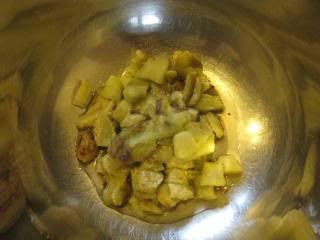
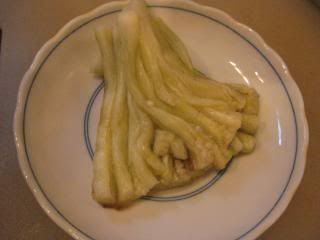
 photo IMG_1582_zpsd90c4aa4.jpg  photo IMG_1583_zpsd9cb1654.jpg
Once the eggplants are grilled, I peeled the skin and cut most of them into small pieces. I also cut some of them into thin strips. So, I can enjoy the different textures in the dish.
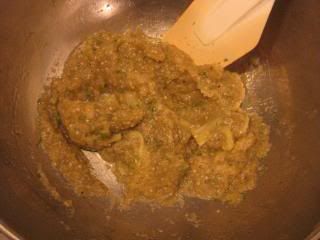
 photo IMG_1584_zps30958604.jpg
Small cut eggplants were pureed with roasted garlic, then mixed with a small amount of yuzu-kosho, chopped dill, lemon juice, yuzu juice, olive oil, grated Parmigiano Reggiano salt and pepper.
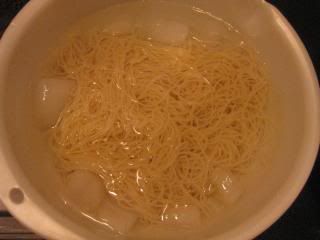
 photo IMG_1585_zps762d0dac.jpg
Capellini pasta was boiled 1 minute longer than the package instructions. After drained and rinsed in cold water, the pasta was quickly chilled in ice water. Ice water tightens the texture of the pasta, so it's important to cook it longer. Otherwise, the pasta would become too firm.


Pasta was quickly tossed in the sauce, divided into plates, and garnished with more Parmigiano Reggiano, diced tomato, shiso leaves, and more olive oil. The texture, flavor, and the temperature were all perfect! I loved the hint of yuzu-kosho flavor...it wasn't overpowering, but rather it gave a nice accent and aroma. I also liked that I used dill to mix with the pasta and used shiso for topping, it made the dish so refreshing and more complex.

Here's my "whimsical" recipe.

Cold Capellini with Roasted Eggplant and Yuzu-kosho Sauce

Ingredients: (3 servings)

(sauce)
4 medium-size Japanese eggplants
1 clove garlic (unpeeled)
1/2 teaspoons or more yuzu-kosho paste
1/2 tablespoons chopped dill
1 to 1-1/2 tablespoons combination of lemon and yuzu juice
1 tablespoon olive oil
1 tablespoon Parmigiano Reggiano
salt and pepper to taste

5 oz (150 g) capellini (angel hair) pasta
2-3 small tomatoes
some thinly-sliced shiso leaves
some more Parmigiano Reggiano, salt and pepper

Procedure:
  1. To prepare the tomatoes, blanch them 10 seconds in boiling water, shock in the ice water, and peel the skin. Cut into quarters and drain the juice and seeds. Cut into small cubes. In a small bowl, season the tomato with some salt, pepper, and olive oil. Chill in the refrigerator.
  2. Roast eggplant and garlic on a net over gas stove until the skin is charred and inside is soft. Peel the skin. Cut 3 egg plants into small pieces and put in a bowl. Cut the remaining 1 egg plant into strips. Set aside in a separate plate.
  3. Puree the small cut eggplants with roasted and peeled garlic. Add the remaining ingredients for the sauce and mix well. Cover and chill in refrigerator.
  4. Meanwhile, cook the capellini 1 minute longer than the instructions in a package. Drain and rinse in cold water, then immediately transfer to an ice water. Let it chill for 30 seconds. Drain well.
  5. Add the cappellini and saved eggplant slices into the bowl with the pureed eggplant sauce. Toss by using tongs.
  6. Divide into 3 plates. Garnish with additional Parmigiano Reggiano, salt, pepper, tomatoes, and shiso leaves. Serve immediately.
Loving this dish.

Wednesday, November 7, 2012

Roasted whole arctic char and mushrooms


This past visit in Italy was a great one. Foods from near coastal areas of Friuli were full of fresh vegetables and seafood, and I especially enjoyed their simple preparations.

As soon as I returned to LA, the first dish I wanted to do was a simple roasted fish with olive oil! So, the morning after I came back from Italy, I drove to LA Fish Market to pick up a whole arctic char from New Zealand. It weighed 3 pounds, and so shiny fresh.

Photobucket
The preparation was very easy. I drizzled olive oil on parchment paper, put a couple of long twigs of rosemary, and the cleaned arctic char on the rosemary. I stuffed a few twigs of rosemary inside the cavity and rubbed more olive oil on the fish skin. Fish was lightly seasoned with salt. The tail was coated with extra salt to prevent it from burning during cooking.

Photobucket Photobucket
Shimeji and shiitake mushrooms were arranged around the fish and tossed in some salt, pepper, and olive oil. Then, I just roasted the fish at 425F in the oven for 25-10 minutes.

To serve, fish was deboned and served into individual plates, and seasoned with salt, pepper, a little squeeze of lemon, and good drizzle of olive oil.

Totally pure and delicious. Reminded me of Friuli!

Wednesday, May 4, 2011

Penne with Bottarga, and donabe steam-fry peashoot


I've been waiting, but bottarga (cured mullet roe) has yet become a mainstream in LA food scene. You occasionally find in dishes at some Italian restaurants, but it's still hard to find at local stores. So, I think I will have to wait until Eataly LA opens next year... When I eat bottarga, I want to really taste it. The other night, I had cannellini beans with bottarga at Pecorino Restaurant in Brentwood. It was a good dish and I understand that they can't give you generous shaving of bottarga for what they charge. It made me crave for bottarga so much. I wanted to chew on it and savor it.


Photobucket
And, luckily, here's my special bottarga I got from my friend.


Photobucket
I used the entire log (half package) of it for our pasta lunch for 2. Once penne was cooked, I tossed the pasta with olive oil and grated bottarga. To finish, the pasta was topped with more sliced bottarga, ao-nori (Japanese seaweed powder), and Japanese herb mixture (asatsuki, mitsuba, and shiso). I was in heaven!


Photobucket
Side dish was simple donabe steam-fried peashoot, which was made with my tagine-style donabe, "Fukkura-san". Peashoot was steam-fried with shallot and garlic, then seasoned with salt, pepper, and a little drizzle of my homemade donabe-smoked soy sauce.

Happy donabe life.

Sunday, December 26, 2010

Donabe Steaming...Italian Style


We did two donabe steaming courses the other night.
With the donabe steamer, "Mushi Nabe", I can make easy, healthy, and quick "one pot" dishes.


Photobucket Photobucket
The first dish of the night was simple steamed vegetables with bagna cauda sauce.
1. Set the donabe steamer over medium-high heat.
2. Arrange the lotus root, carrot, white potatoes, and satsuma-imo (Japanese sweet yam) and steam until they are almost tender.
3. Add the kabocha pumpkin wedges and continue to steam until everything is tender.
4. Serve with bagna cauda sauce. (you can find the recipe here.)


Photobucket Photobucket Photobucket
The next course was steamed mixed mushrooms with aged balsamic vinegar.
1. In a wide shallow bowl, arrange the mushroom mixture (I did shiitake, enoki, shimeji, and king oyster mushrooms). Sprinkle some minced garlic, anchovy, salt and pepper.
2. Steam in the Mushi Nabe until they are cooked through (6-8 minutes).
3. Drizzle 1 tablespoon of each aged balsamic vinegar (20+ years is preferred) and olive oil. Garnish with thinly sliced scallion and grate pecorino romano cheese all over.

So easy, so hearty, and so delicious.
We also have a donabe steaming class in January (different menu).
Details can be found on toiro's website.
Happy donabe life.

Tuesday, December 7, 2010

Donabe steam-fried vegetables with bagna cauda sauce


With my donabe collection, there are so many different ways to enjoy vegetable dishes. Simple steaming with the donabe steamer is always wonderful. I also enjoy steam-frying with the tagine-style donabe.

I was inspired by the colorful vegetables with bagna cauda sauce which I had at Nakajin in Kyoto last month. So, I made my donabe version with the tagine-style donabe, "Fukkura-san". What's great about Fukkura-san is that I can just set the ingredients in the donabe and the tasty steam-fry vegetables get ready in a short time.


Photobucket Photobucket
I just used what I had home...satsuma-imo (Japanese sweet yam), kabocha pumpkin, and orange cauliflower were arranged on the oiled skillet of Fukkura-san with a couple of table spoons of water and some salt & pepper. After about 7 minutes with the lid on over medium+ heat, asparagus and snap peas were added and cooked for additional 2 minutes. I turned off the heat and let it sit for a few minutes with the lid on.

The simply steam-fried vegetables were already so tasty on their own, but I served with my homemade bagna cauda sauce. Here's roughly how I made the sauce. It's a bit time-consuming but the procedure is quite simple and it's so tasty.
1. Put 5-6 cloves of garlic (halved) in a small pan, cover with white wine and milk (about 50/50). Low-simmer for about 20 minutes or until the liquid is reduced down to almost nothing.
2. To the same pot, add the olive oil (4-5 oz) and bring it to very low simmer for about 1 hour.
3. Mash the garlic with the back side of a fork. Add about 1 oz oiled anchovy filets. Stir and let the anchovy fall apart.

Happy donabe life.

Monday, December 6, 2010

Bottarga and Mitsuba Pasta


My last piece of karasumi (=bottarga =cured mullet roe) which I took home from Taiwan was...


Photobucket
Grated into tiny pieces, then...


Photobucket
Tossed in olive oil with the flax seed spaghetti, chopped mitsuba (Japanese parsley).
Sooo delicious!

Bottarga and mitsuba was a great combination I discovered.

Wednesday, August 5, 2009

Rustic Heirloom Tomato Gazpacho (Soup & Stew Donabe, "Miso-shiru Nabe")


As I was so impressed by Chef Sal's heirloom tomato gazpacho at Il Grano the other night, I tried to memorize the taste and wanted to recreate it at home in my own way.

So, I picked up some really beautiful heirloom tomatoes from Sunday Hollywood farmers' market and and made a very simple version. My rustic version gazpacho came out so perfect that I loved it as much as Chef Sal's!

The most subtle yet biggest difference is that I let the gazpacho chill in the soup & stew donabe, "Miso-shiru Nabe". First of all, with the thick clay body of this donabe, once it's chilled, it can keep the soup cold for a while after it's taken out of the fridge. So, it's perfect for the table-top service outdoor.

Another great thing about this donabe is the effects from its natural minerals. The glaze of this donabe contains the natural radium minerals, which release the "negative ions" to the ingredients inside of the pot.

In Japan, "negative ions" have been a very popular buzz word (In Japanese, we call it "minus ion") for last several years, and from the cookware to air-conditioner to accesories, many products are promoted as featuring the "negative ions" effects. Negative ions are natural molecules which can be found in the atmosphere especially in nature such as mountains and falls. Some onsen (hot springs) also contain the high concentration of negative ions and is considered to give the better healing effects to your bodies. Although it’s yet scientifically proven, various studies report the negative ions bring the health benefits.

So, after chilling the gazpacho in this donabe ("Miso-shiru Nabe"), to me, the soup taste like it added the subtle minerality in the flavor and also my body feels better with the "negative ions" effect. Maybe it's just psychological, but it works for me anyway!

Photobucket Photobucket
My recipe is extremely simple, I just put all the ingredients in a blender and transferred to the donabe.


Rustic Heirloom Gazpacho

Ingredients
1.5 pounds ripe heirloom tomatoes
1 small (golf ball size) sweet onion
1/4 red bell pepper
1 1/2 slices of wheat bread
small squeeze of lemon
small splash of tobasco
about 1/2 cup of olive oil
salt and pepper to taste


Procedure
Cut the vegetables into cubes.
Put all the ingredients in a blender and blend until very smooth.
Transfer the soup into Miso-shiru Nabe, and let it chill in the fridge for 2-4 hours.

Serve with a drizzle of basil puree. (I made it with basil leaves, garlic, anchovy filet, almond, olive oil, salt and pepper)