Showing posts with label Chinese recipe. Show all posts

Friday, December 21, 2012

Chinese-style Donabe-steamed Spicy Kalbi


This is a great steamy dish for meat lovers.
The flavor is so bold and the "meaty". Jason says this is now one of his favorite home steamed dishes with our donabe steamer, "Mushi Nabe".
I was inspired by Chinese steamed spare-rib for this dish, so I use different kinds of Chinese ingredients, which are easy to find at local Asian grocery stores. I love the hot & spicy kick from the dobanjiang (Chinese hot bean paste), but you can use less or completely omit it if you prefer less spicy version.


Steamed Spicy Kalbi (beef short ribs)

Ingredients:
1/2 pound  boneless kalbi (beef short rib), cut into 3/4" cubes
1/4C  domyoji-ko (corsely-ground sweet rice...if you can't find it, you can substitute it with regular sweet rice and grind them into coarse grains by mortar and pestle)
1/4  small-size cabbage
1/2 cup  soybean sprouts

(for the marinade)
1/2T  Chinese fermented black beans
1/2T  dobanjiang (Chinese hot bean paste)
1/2T  dark miso
1T  Chinese rice wine or sake
1tsp  soy sauce
1 clove  garlic, grated
1 teaspoon  grated ginger
a pinch of each sugar and black pepper
1/4tsp  Chinese five spice
1/2T  potato starch
1/2tsp  sesame oil

Procedure:

Photobucket Photobucket
1. Whisk together the ingredients for the marinade in a bowl. Add the meat and mix well. Cover and refrigerate for 30-60 minutes.  Add the domyoji-ko and mix again. Set aside.

Photobucket
2. Get Mushi Nabe (donabe steamer ready). In a basket or a shallow plate which can fit the donabe, arrange the cabbage and soybean sprouts in layers. Spread the meat mixture on the top.

Photobucket Photobucket Photobucket
3. Set the basket in Mushi Nabe. Cover and steam over medium-high heat for 10-12 minutes or until the meat is cooked through. Serve immediately.

Photobucket
The meat was super flavorful and really great. We were so excited that I even forgot to garnish the dish with some sliced scallion! Another great thing about this dish is that it's served with a lot of vegetables, so it won't taste too heavy. Also, the cabbage soaks all the wonderful meat juice and tastes amazing.

Photobucket
If you can't find thick cut of kalbi, you can make the dish with thinly-sliced kalbi, too. I could only get the thinly-sliced kind for yakiniku the other day, so I cut them into smaller pieces and made the same dish. It was really tender and nice, too.

Happy donabe life.

Thursday, November 22, 2012

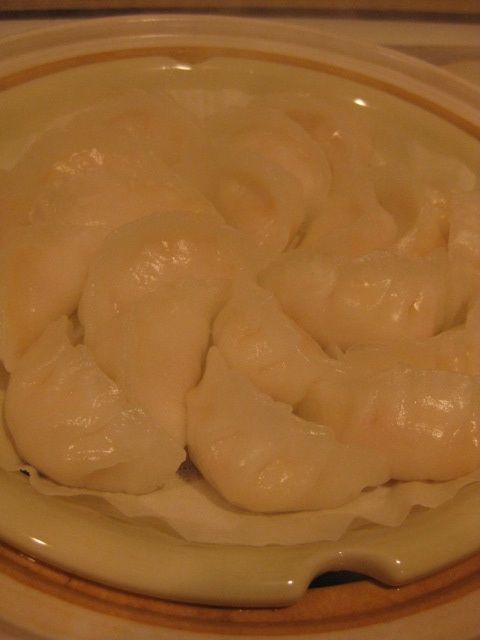
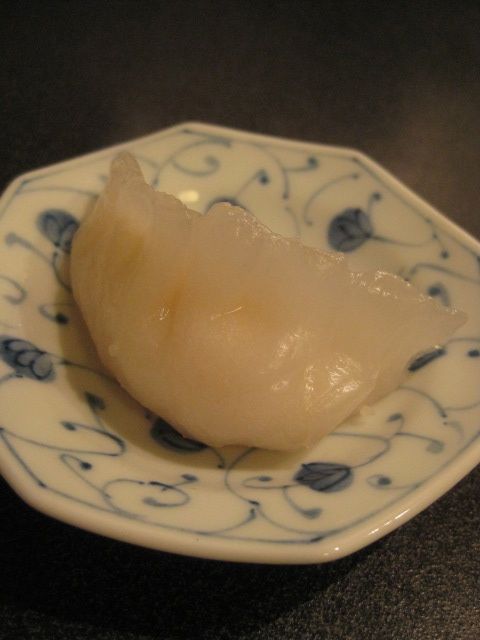
Donabe-steamed Har Gow (Shrimp Dumplings) from scratch


I caught a bad cold and was sick in bed for days since last weekend. So, it's been a while since my last posting. But I feel better now, thanks to donabe healing dishes.

Since I got better, I've been cooking mostly steamed dishes with my donabe steamer, "Mushi Nabe", every day.  The more I use it, the more I love this donabe. Sometimes, I make just one dish with it, but I normally make multiple dishes in this donabe, everything on the dining table, for a meal.

I've been making a lot of dumplings (steam gyoza, shumai, etc.) in this donabe, too. This time, I put a little extra work to make Har Gow (shrimp dumplings) from very scratch.

Photobucket
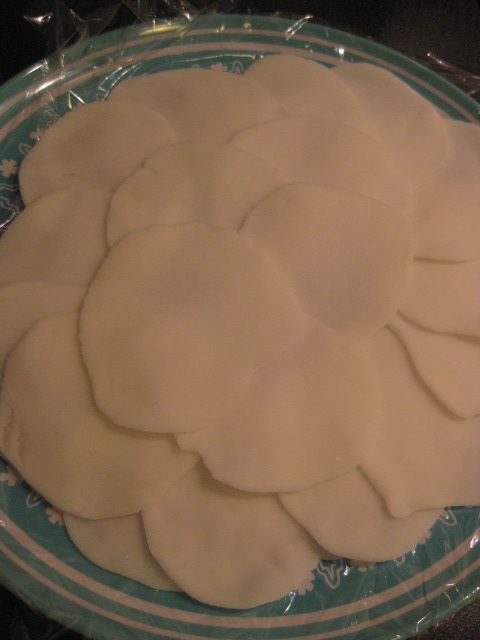
For the skin, I brought back high quality wheat starch from Japan. To make Har Gow skin, for the almost translucent skin, you use wheat starch, instead of wheat flour. First, combine 100 g wheat starch and 20 g potato starch in a bowl. Pour 150 ml boiling water into the bowl and stir quickly by a wooden spatula. Once the mixture becomes one piece, take it out to a work surface with 30 g potato starch. Knead by hand for good 5 minutes until the dough is nicely elastic. Make it into 2 logs by hand and cut them into 20 pieces. Roll out each piece into a round skin.

Photobucket
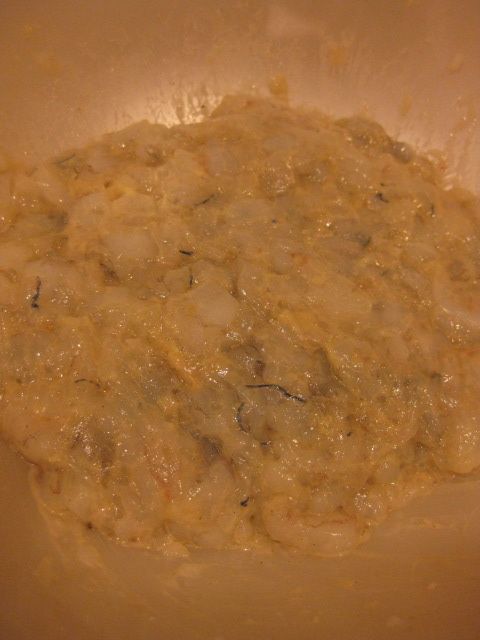
For the filling, mince 10 oz shrimp and combine with 1tsp grated ginger, 1T sake, 1/2 tsp raw brown sugar, 1/2T shio-koji (or 1/2 tsp salt), 1tsp sesame oil, and 1/2T potato starch. Let the mixture rest in the refrigerator for 30 minutes.

Photobucket
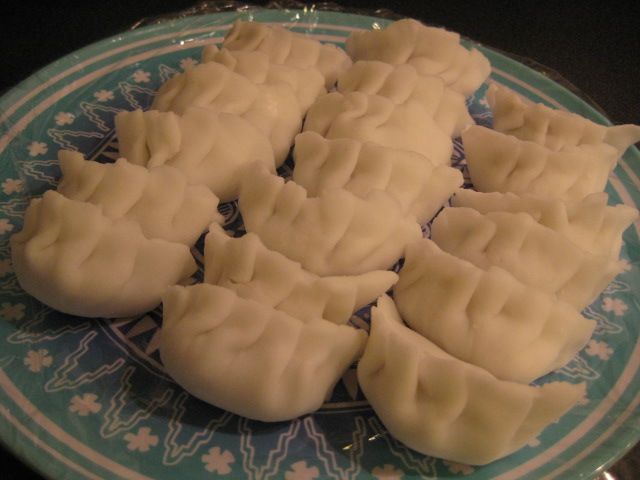
The filling was wrapped with the skins.

Photobucket Photobucket
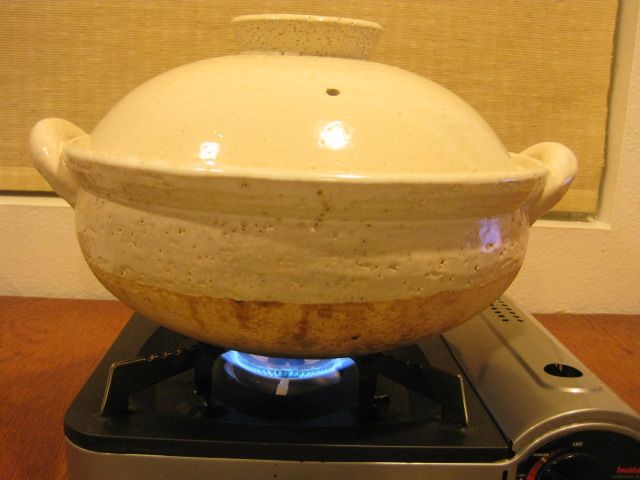
In the donabe steamer, they were steamed over medium-high heat for about 6 minutes.

Photobucket
My donabe-steamed Har Gow tasted incredible. The skin was nicely chewy and the filling was so savory.

Happy donabe life.

Thursday, September 15, 2011

Chinese-style shio-koji chicken somen with sesame sauce


Another recipe with shio-koji chicken!
We had such warm days last week.
I made somen again...this time, a little different style.


Photobucket
First, I made shio-koji chicken. For about 10 oz chicken tender, I used about 2 tablespoons each sake and shio-koji. Chicken was marinated for about 30 minutes in the fridge.


Photobucket
Chicken was put on the grate (black-side up) in the skillet of microwavable steam-roaster, TOCHINSAI. (Remaining marinade was discarded.) It was covered and cooked in microwave for 2.5 minutes (700-watt) and rested with the cover on for 5 minutes.


Photobucket Photobucket
Super aromatic shio-koji chicken! Each piece was shredded roughly by hands. I couldn't help but snacking on some, because it tasted so delicious and tender. I thought this itself can become a dish on its own. Oh, and the chicken juice left in the skillet was so precious, too. It's a super-rich broth. I drank it up this time, but you could save it for something else, if you like.


Photobucket Photobucket Photobucket
I cooked somen noodles and rinsed in cold water. The drained somen noodles were plated with boiled egg, sesame sauce (recipe will follow) was poured, and topped with some shredded radish and thinly-sliced scallion. The condiments were my homemade chunky la-yu (hot oil) and lime wedges. Perfect! I even used Tochinsai's skillet as a serving plate!

Now, here's the sesame sauce recipe:
(for 4 servings)

Ingredients
1 cup regular soy-base dipping sauce for somen (I make my own kind as below, but you can shortcut and use a store-purchased kind).
6 tablespoons white sesame paste (tahini sauce is fine)
2 teaspoons grated ginger
1 tablespoon sesame oil
2-3 teaspoons roasted sesame seeds

Procedure
Whisk together the ingredients.


Basic dipping sauce for somen or soba noodles

Ingredients
200ml dashi sock
1.5 tablespoons mirin
1 tablespoon raw brown sugar
2 tablespoons dark soy sauce
2 tablespoons light-color soy sauce ("usukuchi shoyu")

Procedure
Combine all the ingredients in a sauce pan and set over medium-high heat. As soon as it starts boiling, turn off the heat.

Happy donabe life.

Wednesday, January 12, 2011

Chunky La-yu ("Taberu La-yu") - New Version


I have introduced my homemade "Taberu La-yu" (chunky hot sesame oil) in my blog before (here's the recipe I posted on toiro's website). It's a versatile condiment, and I love it with a wide variety of dishes.


Photobucket Photobucket
I tweaked my original recipe for further improvement in flavor. I replaced the onion with minced shallot and scallion (one each), and also added 1/2 tablespoon mild chili pepper and 1 teaspoon of brown sugar. (I also used white sesame seeds instead of black sesame.) The result is superb.

For lunch, I made steam-fry chow mein with my tagine-style donabe, "Fukkura-san", and finished with a good drizzle of my chunky la-yu. (top photo) It was really tasty! My steam-fry chow mein is, I would say, a much healthier version compared to regular stir-fry noodles, because I use more volume of vegetables and herb toppings than the noodles. This way, I can also enjoy different textures in one dish. Here's my quick steam-fry noodle recipe.

Steam-fry chow mein with XO sauce and a drizzle of chunky la-yu

Ingredients (for 1 serving)
1 serving fresh chow mein noodles
1 teaspoon sesame oil
1/2 clove garlic, thinly sliced
a small handful of snow peas, cut in half
1 tablespoon XO sauce (spicy Chinese seafood paste)
1 tablespoon Chinese rice wine
a good handful bean sprouts rinsed and buds removed

(topping)
mixture of thinly-sliced scallion, cilantro, and daikon sprouts
chunky la-yu

Procedure
1. Blanch the noodles in boiling water (cook only half-way or less). Drain and rinse in cold running water. Set aside. Combine the XO sauce and Chinese rice wine in a ramekin. Set aside.
2. In the skillet of Fukkura-san, heat the sesame oil until fragrant over medium+ heat. Add the snow peas and stir.
3. Add the blanched noodles, and top the noodles with the bean sprouts. Pour the XO sauce mixture.
4. Cover, and steam-fry for a few minutes. Turn off the heat. Uncover and stir.
5. Serve with the toppings.

Happy donabe life.

Tuesday, November 30, 2010

Cha-shiu Pork two ways...donabe smoked, and oven-roasted


I keep having cravings for Chinese flavors since my last trip to Taipei.


I made Cha-shiu Pork this time, and cooked in two different ways.
First, 2.5 pounds of pork butt was sliced into 1" thickness and marinated in the sauce. The followings is the list of the marinade ingredients.

1/2C Okinawa "Kuro-sato" (black sugar) (you can substitute it with brown sugar)
5T soy sauce
1T white sesame paste
1T oyster sauce
1/2 tsp salt
1/2T juice from grated ginger

Photobucket
After just a few hours of marinating, I used some pork for smoking in the donabe smoker, "Ibushi Gin". Marinade was wiped off, then rubbed with some Chinese-five-spice. It was air-dried in the fridge for a couple of hours before added to the donabe smoker.


Photobucket Photobucket
The pork was so smokey and juicy! It was so easy and such a success. I also smoked some regular items...chicken drummettes, boiled eggs, and Swiss cheese. Smoking is so fun.


Photobucket Photobucket Photobucket
The next day, I oven-roasted the marinated pork. I lightly wiped off the marinade from the meat, rubbed some agave syrup (for shine), and roasted in the 400F oven for about 25 minutes. I rubbed the surface again with some more agave syrup to make it even shinier right before finishing baking.

It was another super-delicious dish. The meat was so succulent and flavored so nicely.

Monday, November 29, 2010

Donabe Niku-miso Rice


I was in a mood for making a rice bowl dish one night.

The very rustic Lu Rou Fan I had in Taipei was so delicious that I just couldn't forget the experience. So, as an homage to their incredible comfort food, although it's not quite the same, I made my version of pork-over-the-rice dish with my donabe.

It's a quick Niku Miso Gohan (miso-flavored ground pork over rice), cooked with soup & stew donabe, "Miso-shiru" Nabe. This very thick-body donabe does a great quick braising (also great for slow cooking).


Photobucket
For my regular Niku Miso Gohan, you can find it on toiro's website. It's really good! But this time, I tweaked the recipe to make it more like Chinese-style, by sauteing garlic & ginger in sesame oil, adding doubanjiang (Chinese hot bean paste), and garnishing with cilantro. The miso was our homemade miso. Oh, and I also simmered boiled eggs with the meat sauce, too!


Photobucket Photobucket
In less than 15 minutes, my new Niku-miso Gohan was ready and smelled so nice. It was served over the freshly made rice, cooked with the double-lid donabe rice cooker, "Kamado-san", and garnished with some cilantro, blanched asparagus, and quick-stewed boiled egg. Bravo! This dish was so complete and so tasty. I actually had a second serving after so quickly finishing the first bowl. So, here's the quick recipe:

Chinese-style Niku-miso Gohan

Ingredients
2 cloves garlic, minced
1/2 tablespoon ginger, minced
1 tablespoon sesame oil
1 to 1.5 teaspoons doubanjiang (Chinese hot bean paste), optional
14 oz ground pork (fatty kind)
4-5 shiitake mushrooms, cut into small cubes
1/4 cup sake
1/4 cup miso
2 tablespoons brown sugar
soft boiled eggs
cilantro
blanched cut asparagus

Procedure
1. In Miso-shiru Nabe, saute the garlic and ginger with the sesame oil over medium to medium-low heat.
2. Once they are fragrant, push them to one side. Add the doubanjiang to another side and let it cook until it's fragrant.
3. Add the pork and stir. Once the pork is almost cooked through, add the shiitake mushrooms and stir.
4. Add the sake, miso, and brown sugar. Stir.
5. Add the boiled eggs. Cover with the lid and simmer for 5 minutes.
6. Turn off the heat and let it rest for 10 minutes.
7. Serve over the rice with cilantro and asparagus.


Photobucket Photobucket Photobucket
One of the side dishes was steam-fried Taiwanese spinach, with the tagine-style donabe, "Fukkura-san". It's also super-easy to make, and such a delicious one-pot side dish. I just sauteed garlic in sesame oil until browned, covered the skilled with the spinach, steam-fried with the lid on for 3 minutes. Uncover to add 1 tsp of chicken powder, some salt and pepper, toss, and cover again. Turn off the heat and the dish is ready.


Photobucket Photobucket
It was a perfect collaboration of three different donabe pots. Donabe did all the magic.

Happy donabe life.

Monday, May 17, 2010

Shrimp and Yellow Chives Stir-fry with Black Vinegar Sauce


My body naturally wants more kurozu (Japanese black vinegar - made from brown rice) as the weather gets warmer toward summer. Among all the remarkable health benefits of the Japanese black vinegar (eg. keeping the blood clean, reducing the cholesterol, etc.), it helps preventing your body from fatigue. So I often make black vinegar drinks so that I can keep going in the warm weather.

I also use black vinegar in many dishes I make. Because black vinegar is slowly aged (normally 1-3 years), the flavor of the black vinegar is much softer than regular rice vinegar. It also has the natural sweetness and more umami (savory flavor) components than rice vinegar.

For lunch yesterday, I made a Chinese-style quick stir-fry shrimp with black vinegar sauce and it was really great.


Shrimp and Yellow Chives Stir-fry with Black Vinegar Sauce

Ingredients:
1/2 pound large shrimp
1 tablespoon sake
1/4 teaspoon each salt, Szechwan pepper, and Chinese five spice
1/2 tablespoon potato starch
1 tablespoon sesame oil
1 clove garlic, thinly sliced
1 small knob ginger, sliced into shreds
3 oz Chinese yellow chives, cut into 2" length

(Sauce)
2 tablespoons black vinegar
1 tablespoon soy sauce
1/2 tablespoon sesame oil

cilantro
la-yu

Procedure
1. In a bowl, mix the shrimp with the sake, salt, Szechwan pepper, Chinese five spice, and potato starch.
2. In a cup, combine the ingredients for the sauce and set aside.
3. Heat 1 T sesame oil in a saute pan. Saute the ginger and garlic until fragrant over medium-high heat.
4. Add the shrimp and saute until they are almost cooked through (2-3 minutes).
5. Add the Chinese yellow chives and continue to saute for another minute.
6. Transfer the sauteed ingredients to a plate. Pour the sauce. Top with chopped cilantro and some la-yu.

Fantastic!

Monday, July 13, 2009

Poached Shrimp Wontan with Sizzling Sesame Oil


This is one of the dishes I made for last Saturday dinner. You don't need any dipping sauce for this dish. You can simply sprinkle some premium-quality sea salt and sliced scallions over cooked dumplings and finish with the sizzling sesame oil over them. The hot oil brings out all the great flavors of the dish. You can also enjoy the texture of the salt.

Poached Shrimp Wontan with Sizzling Sesame Oil

Ingredients
(For the filling)
1/2 lb. peeled shrimp, coarsly minced
a small bunch of nira (Chinese chivese), minced
1 tablespoon sake
1 teaspoon lard or sesame oil
1 teaspoon grated ginger
1/2 teaspoon sugar
1/2 tablespoon katakuriko (potato starch)
salt and pepper to taste
***********
15-20 wontan wrappers

seasalt
scallion, thinly sliced
2 tablespoons sesame oil


Procedure
Mix the ingredients for the filling until smooth. Cover and let it rest in the fridge for 15-30 minutes.
Wrap the filling with wontans.
Boil the water in a large pot and poach the wontons for about 2 minutes.
Drain and plate the wontons in a serving plate. Sprinkle the sea salt and scallions.
Heat the 2 tablespoons sesame oil over high until it starts to smoke.
Drizzle the hot sesame oil over the wontons.


Photobucket Photobucket Photobucket Photobucket
Here's how to wrap...it's quite simple and easy.

Thursday, February 12, 2009

Pork Lettuce Wrap


Ground meat is so versatile. This is my whimsical lettuce wrap.

Ingredients
1/2 lb. ground pork
4 ea. shiitake mushrooms, cut into small dice
1 tsp. garlic
1 tsp. ginger
1 tsp. tobanjiang (Chinese hot bean paste)
1 cup soy bean sprouts
1 tbsp sesame oil

(sauce)
2 tbsps. sake
1 tbsp. soy sauce
1 tbsp. tian mian jiang (Chinese flour paset)
1 tsp. sugar

Butter lettuce
Chopped herbs

Procedure
Combine the ingredients for the sauce and set aside.

In a wok, heat the sesame oil and saute ground pork at medium heat. When the pork is almost cooked through, add the shiitake mushrooms and continue sauteing for another couple of minutes. Make a small empty spot in the wok and add tobanjiang and heat it until fragrant, then stir with the pork mixture.

Add the sauce mixture and stir. Turn the heat to high. When the sauce is well blended with the other ingredients, add the soy bean sprouts and stir for another minute.

Enjoy with the lettuce and the chopped herbs.